
How Pet Vaccinations Protect Pets from Dangerous Diseases

Pet vaccinations are one of the most effective ways to protect dogs and cats from serious infectious diseases. Vaccines work by training the immune system to recognize harmful viruses and bacteria before they cause illness. By building immunity early, pets are better equipped to fight infections such as rabies, parvovirus, and feline leukemia.
For pet owners in Bowmanville and across Durham Region, keeping pets up to date on vaccinations is a crucial part of preventive veterinary care. Veterinary teams at Animal Hospital of Bowmanville emphasize regular vaccination schedules to help pets stay healthy and protected throughout their lives.
What Are Pet Vaccinations?
Pet vaccinations are medical treatments designed to stimulate an animal’s immune system to recognize and fight infectious diseases. Vaccines contain harmless components of viruses or bacteria called antigens. These antigens trigger the immune system to produce protective antibodies without causing the disease itself.
Once vaccinated, a pet’s immune system remembers the pathogen. If the animal is later exposed to the real disease, the immune system responds quickly and prevents severe illness.
Vaccines are typically administered during routine veterinary visits, allowing veterinarians to monitor a pet’s overall health at the same time.
Diseases That Vaccines Help Prevent
Vaccines protect pets from many contagious and life-threatening diseases. These infections often spread through direct contact with infected animals, contaminated environments, or parasites.
Common Diseases Prevented in Dogs
- Rabies – a fatal viral disease affecting the nervous system
- Canine distemper – damages the respiratory and neurological systems
- Canine parvovirus – severe gastrointestinal infection
- Adenovirus (canine hepatitis) – affects the liver and organs
- Leptospirosis – bacterial infection transmitted through contaminated water
Common Diseases Prevented in Cats
- Rabies-It a disease that affects the nervous system of cats.
- Feline panleukopenia – a severe viral infection affecting white blood cells
- Feline herpesvirus – causes respiratory infections and eye discharge
- Feline calicivirus – respiratory disease with oral ulcers
- Feline leukemia virus (FeLV) – weakens the immune system and increases cancer risk
These diseases can spread rapidly among animals, which is why veterinary professionals strongly recommend vaccination. For a detailed overview, you can use this pet vaccination guide.
How Vaccines Strengthen the Pet Immune System
Vaccines prepare the immune system to defend against future infections.
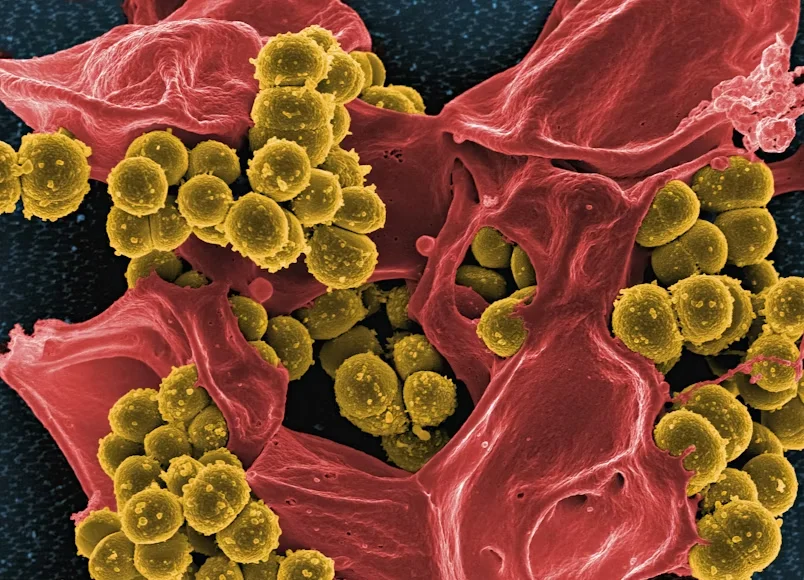
How the Immune Response Works
- The vaccine introduces a harmless antigen.
- The immune system recognizes the antigen as a threat.
- Antibodies are produced to fight the pathogen.
- Memory cells remain in the body.
If the pet encounters the actual virus or bacteria later, the immune system quickly recognizes it and prevents severe illness.
How Vaccinations Protect Community Pet Health
Vaccinating pets benefits not only individual animals but also the wider pet community. When a high percentage of pets are vaccinated, the spread of infectious diseases is greatly reduced. This concept is known as herd immunity in veterinary medicine.
Community Benefits of Pet Vaccinations
- Prevents outbreaks of contagious diseases
- Protects vulnerable pets such as puppies, kittens, and senior animals
- Reduces the risk of zoonotic diseases like rabies that can affect humans
- Maintains healthier pet populations in local communities
Responsible vaccination practices help protect pets visiting dog parks, grooming facilities, and boarding centers throughout Bowmanville and nearby areas.
Risks of Skipping Pet Vaccinations
Skipping vaccines can expose pets to serious and preventable diseases. Even indoor pets can encounter pathogens carried by people, other animals, or contaminated surfaces.
Risks Associated with Unvaccinated Pets
- Higher risk of parvovirus infection in dogs
- Increased exposure to feline leukemia virus in cats
- Greater likelihood of respiratory infections
- Risk of fatal diseases like rabies
Unvaccinated animals may also unintentionally spread disease to other pets in the community.
Modern Advances in Veterinary Vaccines
Veterinary medicine continues to improve vaccine safety and effectiveness through advances in immunology and biotechnology.
Recent Innovations in Veterinary Vaccination
- Recombinant vaccines designed for stronger immune responses
- Improved safety profiles with fewer side effects
- Longer-lasting immunity reduces the need for frequent boosters
- Region-specific vaccines targeting diseases common in certain areas
These advancements allow veterinarians to provide safer and more personalized vaccination plans for pets.
Common Myths About Pet Vaccinations
Some pet owners hesitate about vaccines due to misinformation. Understanding the facts can help ensure pets receive proper protection.
Myth 1: Indoor Pets Don’t Need Vaccines
Even indoor pets can be exposed to diseases through visitors, other animals, or contaminated surfaces.
Myth 2: Vaccines Cause Serious Illness
Modern veterinary vaccines are extensively tested and regulated to ensure safety.
Myth 3: One Vaccine Provides Lifetime Protection
Most vaccines require booster shots to maintain long-term immunity.
When Veterinarians May Delay a Vaccine
Although vaccines are safe for most animals, veterinarians may occasionally delay vaccination based on a pet’s health condition.
Situations Where Vaccination May Be Postponed
- Severe illness or fever
- Immune system disorders
- Recovery after pet surgery
- Adverse reactions to previous vaccines
Veterinarians evaluate each pet individually before administering vaccines to ensure safety.
What Happens During a Pet Vaccination Appointment
A vaccination visit typically includes a brief health assessment to ensure the pet is healthy enough for immunization.
Steps During the Appointment
- Physical wellness exam
- Review of vaccination history
- Vaccine administration
- Monitoring for immediate reactions
- Guidance on after-care and booster schedules
Veterinary teams at Animal Hospital of Bowmanville often combine vaccinations with wellness exams to monitor a pet’s overall health.
Tips for Keeping Your Pet Protected
Pet owners can take several steps to ensure their pets remain protected from preventable diseases.
Preventive Care Tips
- Follow recommended vaccination schedules
- Schedule regular wellness exams
- Keep vaccination records updated
- Maintain parasite prevention
- Seek veterinary care if unusual symptoms appear
Preventive care is one of the most effective ways to ensure long-term pet health.
Conclusion
Pet vaccinations are one of the most powerful tools in preventive veterinary medicine. By strengthening the immune system and protecting against dangerous diseases such as rabies, distemper, and feline leukemia, vaccines help pets live longer and healthier lives.
Regular veterinary care ensures that pets receive the right vaccines at the right time. Pet owners who prioritize vaccination schedules are taking an important step toward safeguarding the health of their animals and supporting a healthier pet community.